Episode 68

full
Published on:

4th Feb 2026

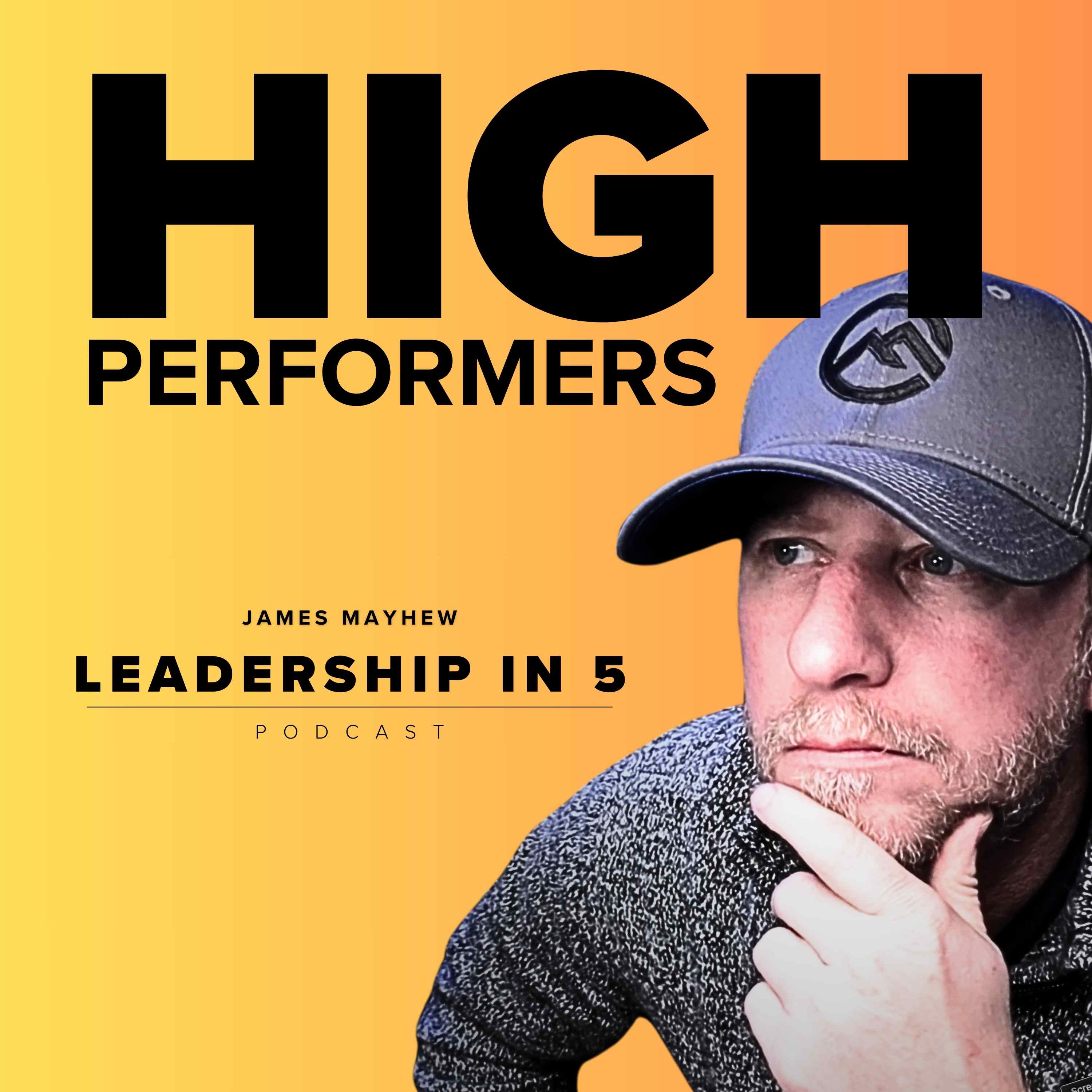
68. Why High Performers Struggle in Leadership Roles

Most high performers don’t realize how deeply their identity formed around doing things themselves until leadership feels heavier and nothing they do brings the relief it once did. In this episode, James reflects on the silent shift high performers experience when they move into leadership roles. If you’ve ever felt exhausted, impatient, or caught doing more than leading, this episode is a mirror for that moment no one ever names.

You’ll Learn

  1. How high performers unconsciously build identity around doing
  2. Why old patterns stop working when you lead others
  3. The quiet pressures leaders unknowingly project
  4. What it feels like when effort no longer brings relief

This episode isn’t about solutions — it’s about recognition.

Reflection Questions

  1. When did effort stop feeling like relief and start feeling heavier?
  2. Where do you catch yourself doing more instead of allowing others to step in?
  3. How might your presence be setting the pace for your team?
  4. What part of your identity feels most attached to doing vs leading?

High performers often assume the way they became successful will carry them forward as leaders. But what worked when their value was measured by output quietly breaks down when leadership requires influence, judgment, and multiplication.

Many high performers build their identity around doing — stepping in, moving fast, handling what others can’t. That identity is reinforced early through reward, trust, and responsibility. It produces excellence as an individual contributor, but it does not automatically evolve when the role changes.

This episode reframes leadership friction as an identity issue, not a performance issue. It challenges the assumption that working harder, moving faster, or carrying more responsibility will restore relief — and surfaces a harder truth: leadership doesn’t just require more effort, it requires a different relationship to effort altogether.


Show artwork for Leadership in 5

About the Podcast

Leadership in 5
Lead better in 5 minutes. Tactical insights for founders who want clarity, momentum, and a business that doesn’t break them.
Execution without excuses. Five minutes. One insight. No wasted words.

Leadership In 5 is the podcast for founders and executives who are done with vague advice and tired of hearing “just communicate better” like it’s a strategy.

I’m James Mayhew. I’ve served as Chief Culture Officer, coached hundreds of leaders, and made the thousand-plus execution mistakes so you don’t have to. I work with high-growth companies that are scaling fast — but who still want to lead with values, not ego.

Each episode delivers one sharp insight you can act on. You’ll hear practical guidance built on clarity, not charisma. No theory. No fluff. Just real leadership tools that work in real companies with real people.

This show exists to help you stop over-functioning, stop repeating yourself, and stop holding it all together just to keep the wheels turning. You deserve a business that works without breaking you.

The show is grounded in The IDP Way, a leadership system built on Integrity, Dignity, and Prosperity. If those words resonate, you’ll feel at home here. And if they challenge you? Even better. Growth starts with honesty.

Want a free companion to the show?
Download "99+ Questions That Create Clarity" at NextQuestionGuide.com
It’s the simplest tool I know to start shifting your team from confused to confident.

Thanks for listening... and for leading.

About your host

Profile picture for James Mayhew

James Mayhew

James R. Mayhew is a leadership coach and strategic advisor to founders and executives building fast-growth, values-driven companies. He created the IDP Way, a leadership system grounded in integrity, dignity, and prosperity. James helps leaders align people, purpose, and performance so their business can scale with clarity, not chaos.

He’s served as Chief Culture Officer, coached hundreds of leaders, and built execution systems that actually work.